How to Measure Thermopane Glass Without Making a Mistake

Fogging between the two panes of glass, persistent moisture marks or a cold sensation near the window often indicate that the thermopane unit has lost its seal. Before requesting an estimate, knowing how to measure thermopane glass can help you describe the problem accurately. However, an approximate measurement is not enough to manufacture a custom sealed glass unit: a difference of just a few millimetres can prevent it from fitting properly into the existing frame.
The good news is that it is generally not necessary to replace the entire window when only the sealed glass unit is defective. Replacing the thermopane glass can often restore comfort, clarity and better thermal performance while keeping a frame that is still in good condition.
Why Thermopane Glass Measurements Need to Be So Precise
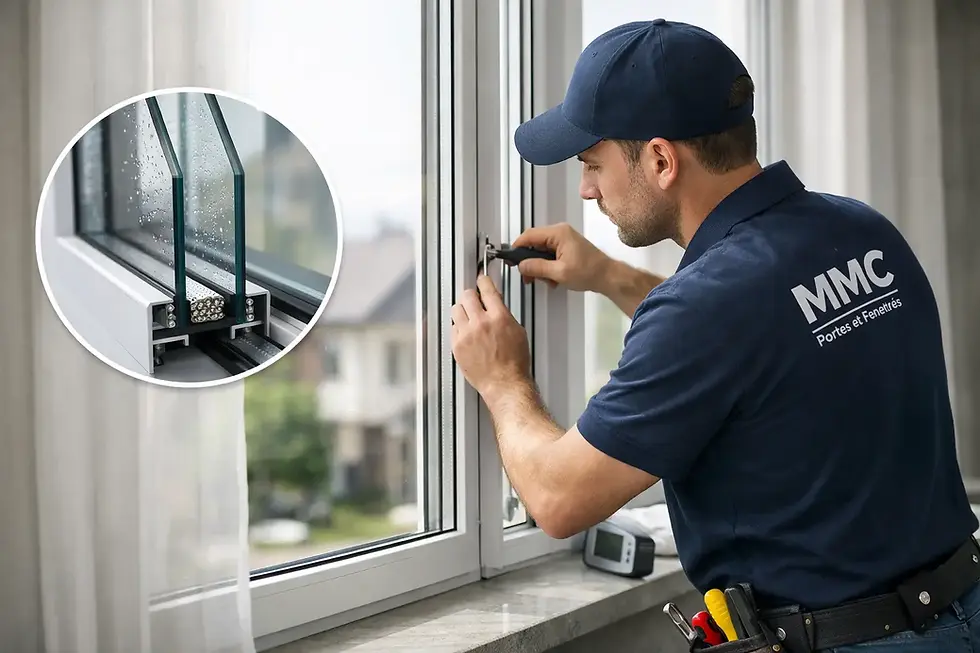
Thermopane glass, also known as a sealed glass unit, consists of two or three panes of glass separated by a spacer. The unit is factory-sealed to help prevent condensation between the panes and improve insulation. Its actual dimensions do not necessarily correspond to the portion of glass that is visible from inside the home.
The glass is usually held in the sash by glazing beads, mouldings or a retaining system specific to the window model. Part of the perimeter is therefore hidden. Measuring only the visible area of the glass will almost always result in dimensions that are too small for ordering the correct unit.
You also need to account for the necessary clearance between the thermopane unit and the frame. A sealed glass unit should not be manufactured to exactly the same dimensions as the opening in which it sits. This small amount of clearance allows for proper installation, drainage and the normal seasonal movement of materials.
How to Measure Thermopane Glass Before Requesting an Estimate
For an initial assessment, measure the visible portion of the glass and clearly indicate that these are visible glass dimensions. These measurements are useful for estimating the size of the thermopane unit, preparing a service request and determining whether several windows appear to be the same size.
Use a rigid measuring tape and measure in millimetres or inches and fractions of an inch.
Measure the width from left to right in three places: at the top, centre and bottom. Then measure the height from top to bottom in three places: on the left, centre and right. Always record the smallest measurement without rounding up.
For example, if the visible width varies slightly between 24 1/8 inches and 24 3/16 inches, record both measurements and indicate which one is smaller. This variation may indicate that the frame is not perfectly square, which is important when confirming the final dimensions.
Do not try to calculate the manufacturing dimensions by arbitrarily adding an inch or a fraction of an inch. The portion of glass hidden beneath the glazing beads varies depending on the type and age of the window and its retaining system. This is precisely where professional verification can prevent costly mistakes.
Information to Include With Your Measurements
In addition to the width and height, note whether the window has double or triple glazing, whether condensation is visible between the panes and whether the window opens or is fixed.
Take a photo of the entire window, followed by a close-up photo of one corner of the glass and the spacer — the strip separating the panes.
If you see markings etched into a corner of the glass, take a photo without trying to interpret them. They may contain useful information about the manufacturer, type of glass or energy-performance characteristics.
Also mention whether the glass has decorative grilles, a black, grey or metallic spacer, or tinted glass. These details can affect the appearance of the replacement unit.
Measuring Thermopane Thickness: What Can Be Done Without Removing the Glass?
Thickness is an essential measurement, but it can be difficult to confirm while the glass remains installed.
A double-pane thermopane unit can have different overall thicknesses depending on the space between the panes and the type of glass used. Triple-pane units are generally thicker, but you should never rely on appearance alone.
You can examine the edge of the glass where it meets the frame. In some cases, enough of the spacer is visible to provide an indication.
Do not insert a screwdriver, blade or other rigid object between the glass and the frame. You could damage the glazing beads, cut a seal or crack the glass.
The exact thickness is normally confirmed during an inspection or after the existing unit has been safely removed. This is particularly important for older windows, patio doors and glazing with unusual profiles.
A thermopane unit that is too thin may not be properly secured. One that is too thick may prevent the sash from closing correctly or place unnecessary pressure on the frame.
Common Measuring Mistakes to Avoid
The first mistake is taking only one measurement. A frame can become slightly distorted over time, particularly after years of freeze-thaw cycles. Taking three measurements in each direction helps identify these differences before they become a problem.
The second mistake is ordering glass based on dimensions shown on an old invoice or label. The size may have changed during a previous repair, or the document may refer to the dimensions of the sash rather than the sealed glass unit.
The third mistake is confusing the thermopane glass with the entire window. When there is fog between the panes, the problem is often with the seal of the glass unit. If the frame, operating mechanism and weatherstripping are still functional, replacing only the sealed glass unit can be a logical and lasting solution.
Finally, avoid removing large panes of glass, cracked glass or a sealed unit installed in a patio door yourself. The weight of the glass, risk of breakage and way the panel is secured require the proper tools and installation methods.
What Measurements Should You Give a Specialist?
When requesting service, provide the visible width and height, the number of glass units involved and clear photos.
Specify whether the thermopane glass is foggy, cracked or stained, or whether you feel cold air near the window. This information helps prepare for the assessment but does not replace the final professional measurements.
A specialist can verify the actual dimensions of the thermopane unit, its thickness, spacer type, retaining system and the overall condition of the sash.
This inspection can also identify related problems, such as a damaged glazing bead, a seal that needs attention or hardware that is preventing the window from closing properly.
For homeowners in Montreal, Laval, the North Shore of Montreal, Repentigny and surrounding areas, MMC Portes et Fenêtres favours this targeted repair approach: replacing the defective component when the rest of the window can continue to perform properly.
It is often more economical, faster and less wasteful than a more extensive replacement.
Taking careful preliminary measurements is a good starting point. However, the final measurements should be confirmed on site. This is the best way to ensure that the new thermopane unit fits properly and restores the comfort your room should have.
Need Help?
Is your thermopane glass foggy, cracked or showing signs of a failed seal? You can send us a photo of the entire window along with its approximate visible dimensions to help us better understand what you need.
Before the new unit is manufactured, our specialist will take precise measurements on site to ensure that the replacement thermopane glass fits your window properly.
MMC Portes et Fenêtres recommends replacing the thermopane unit when the existing frame is still in good condition — there is no need to replace the entire window.


Comments