Double or Triple-Pane Insulated Glass: Which Should You Choose?

A fogged window, glass that feels cold to the touch, or recurring condensation does not necessarily mean the entire window needs to be replaced. The question of double or triple-pane insulated glass usually comes up when an insulated glass unit needs to be replaced to restore comfort, clarity, and better insulation. The right choice depends on the existing window, its exposure, and your actual priorities—not simply on the number of panes.
A high-performance insulated glass unit reduces heat transfer between the inside and outside of your home. In winter, it helps retain the heat produced indoors. In summer, depending on the type of glass selected, it can help limit some solar heat gain. However, triple-pane glass is not automatically the best solution in every situation. A proper assessment can help you avoid paying for an upgrade that may not provide a proportional benefit.
Double or Triple-Pane Insulated Glass: The Practical Difference
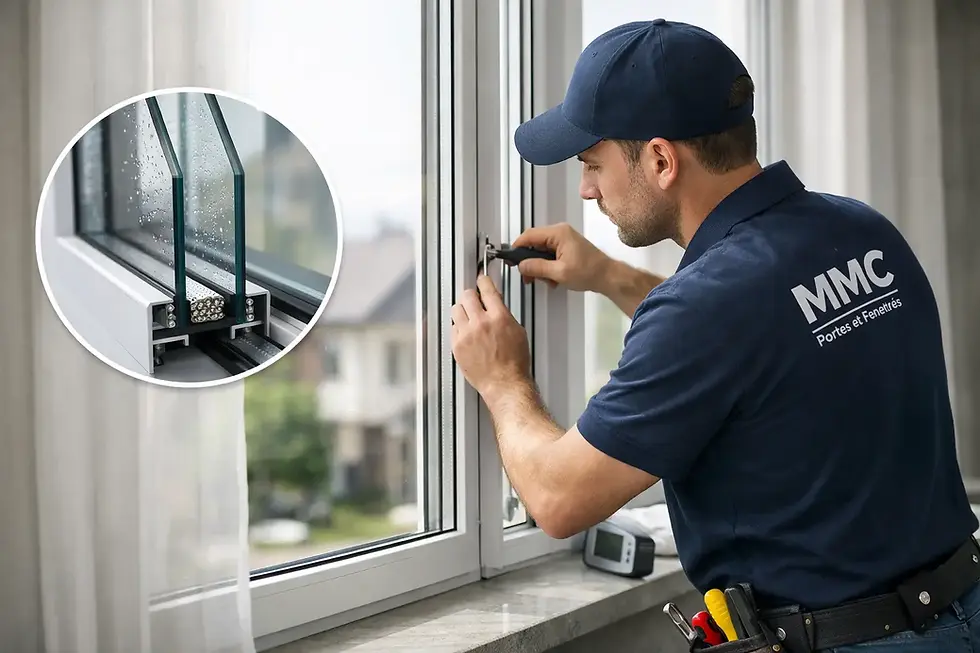
A double-pane insulated glass unit consists of two panes of glass separated by a sealed space. This space generally contains air or an insulating gas such as argon. Spacers and seals keep the unit airtight. This sealed assembly provides a significant portion of the window's insulating performance.
A triple-pane insulated glass unit adds a third pane and a second insulating cavity. On paper, it therefore provides greater thermal resistance. This difference can be beneficial near a large glazed area, in a room that is highly exposed to wind, or for a window facing particularly cold conditions.
However, performance depends on more than the number of panes. The quality of the seal, type of glass, insulating gas, spacer, and condition of the frame also matter. A good Low-E double-pane insulated glass unit that is properly suited to the window can provide excellent results in many homes throughout Montreal, Laval, and the North Shore.
When Double-Pane Insulated Glass Is a Smart Choice
Double glazing remains a very practical solution for replacing a failed insulated glass unit. It is lighter, generally less expensive, and compatible with a wide variety of residential windows. When a window becomes fogged between the panes, whitish deposits appear, or the area near the window begins to feel noticeably colder, replacing the double-pane insulated glass unit can correct the problem without unnecessarily replacing components that are still in good condition.
Its lighter weight is an advantage that should not be overlooked. Window sashes, hinges, crank mechanisms, and locking hardware are designed to support a certain load. On an older window or patio door, heavier glass can accelerate hardware wear or interfere with proper operation if the entire assembly is not evaluated beforehand.
Double-pane insulated glass is often well suited to standard-size windows, rooms with limited exposure, and homeowners who want to improve comfort while keeping costs under control. It may also be the logical choice when heat loss is primarily caused by compressed weatherstripping, poor adjustment, or hardware that no longer closes properly. In those situations, replacing the glass alone will not solve everything. The repair needs to address the actual source of the problem.
When Triple-Pane Glass Is Worth Considering
Triple-pane insulated glass can provide a worthwhile improvement under specific conditions. A north-facing bedroom, a large window exposed to prevailing winds, or a room where discomfort is consistently felt near the glass are good examples. Triple glazing can also increase the interior surface temperature of the glass, helping reduce the sensation of a cold surface during very cold weather.
However, the entire project needs to be considered. Triple-pane glass is heavier and thicker. Depending on the window model, the frame and glazing beads must be able to accommodate it without compromising opening, closing, or the durability of the hardware. A higher-performance glass unit that puts excessive strain on the mechanism or does not fit properly is not a lasting improvement.
The cost is also higher. The additional expense is easier to justify when you are trying to achieve greater comfort in a particularly problematic area rather than installing triple glazing in every window without distinction. For some homeowners, replacing only the most exposed insulated glass units with triple-pane glass while keeping high-performance double glazing elsewhere can be a balanced solution.
Window Orientation Can Change the Answer
A north-facing window receives little direct sunlight and may feel colder during winter. A more insulating glass unit can make a noticeable difference in this situation. A large south-facing window, on the other hand, benefits from solar heat gain but can also contribute to overheating at certain times of the year. The choice of Low-E glass should therefore be considered carefully to maintain the right balance between natural light, solar heat gain, and comfort.
On east- or west-facing windows, low-angle sunlight can be more bothersome in the morning or late afternoon. In these situations, the number of panes is only one factor. The type of glass coating can have just as much influence on overall comfort.
Fogging Is Not a Double-Versus-Triple Glazing Issue
When fogging appears between the panes, the problem is clear: the insulated glass unit has lost its seal. Moisture has entered the sealed unit, and deposits that develop inside cannot be permanently cleaned away. Whether the unit is double or triple-pane, replacing the insulated glass unit is the appropriate solution.
Condensation on the interior surface of the glass is different. It can be caused by high indoor humidity, insufficient air circulation, or extremely low outdoor temperatures. Better-insulated glass may help reduce the problem, but it does not replace proper humidity management. It is therefore important to distinguish interior condensation from fogging between the panes before deciding what work is required.
Cracked glass, a distorted spacer, or a localized cold area also deserves inspection. Sometimes the insulated glass unit is responsible. In other cases, the frame, perimeter caulking, or weatherstripping may require additional attention. Repairing only what is necessary is often the most cost-effective way to extend the useful life of your windows and doors.
What to Check Before Choosing an Insulated Glass Unit
Before switching from double to triple glazing, the exact glass dimensions, available thickness within the frame, and overall condition of the window or patio door need to be confirmed. Mechanical compatibility is particularly important for large operable windows and sliding panels.
You should also consider the specific comfort issue you are trying to correct. If the problem is fogging between the panes, installing an appropriate replacement insulated glass unit is the priority. If the window is letting air in around the frame, replacing the weatherstripping, adjusting the sash, or repairing the hardware may provide a more immediate improvement than upgrading to triple-pane glass.
Finally, do not rely on appearance alone. Two insulated glass units can look identical while having different compositions and performance levels. Low-E coatings, the gas between the panes, and manufacturing quality all influence everyday performance. Technical advice can help you select a solution that makes sense for your budget and the actual condition of your windows.
A Targeted Repair Before a More Expensive Replacement
Replacing a failed insulated glass unit is often a precise, relatively quick, and durable repair. It preserves the existing frame when it is still in good condition, improves the appearance of the window, and helps restore thermal comfort. This approach avoids replacing functional components simply because one localized part has failed.
At MMC Portes et Fenêtres, the assessment considers not only the insulated glass but also the weather sealing, hardware, and overall operation of the window or door. This makes it possible to recommend double or triple-pane insulated glass based on what will genuinely improve your situation, without encouraging unnecessary expenses.
If you are unsure which option is right for you, start by identifying the symptom: fogging between the panes, drafts, cold glass, difficulty closing the window, or interior condensation. A targeted inspection can often turn a technical question into a simple, appropriate, and lasting solution.
Need Help?
Are you unsure whether your window needs a new insulated glass unit or whether the problem is coming from the weatherstripping, hardware, or adjustment?
MMC Portes et Fenêtres can assess the condition of your windows and recommend the repair that best suits the actual problem.
Whether you are considering double or triple-pane insulated glass, our goal is to preserve the components that are still in good condition and correct only what is necessary. We provide window and insulated glass repair services in Montreal, Laval, Terrebonne, and the North Shore.
Request an estimate to determine the most appropriate solution for your windows.


Comments