Repair or Replace a Window: What's the Difference?
Updated: Aug 9

A fogged window, a draft around the frame, or a crank that no longer operates smoothly doesn't automatically mean you need to replace the entire window. The decision to repair or replace a window depends primarily on the actual condition of its components. In many homes across the North Shore and Greater Montreal, a targeted repair can restore comfort, energy efficiency, and ease of operation without the cost of a full window replacement.
The right choice isn't determined simply by the age of the window. The insulated glass, frame, operating hardware, weatherstripping, and existing installation all need to be evaluated. A window may appear worn even though the problem is limited to a single repairable component. On the other hand, repairs may not be worthwhile if the frame is warped, rotten, or no longer provides adequate performance.
Repairing vs. Replacing a Window: What's the Real Difference?
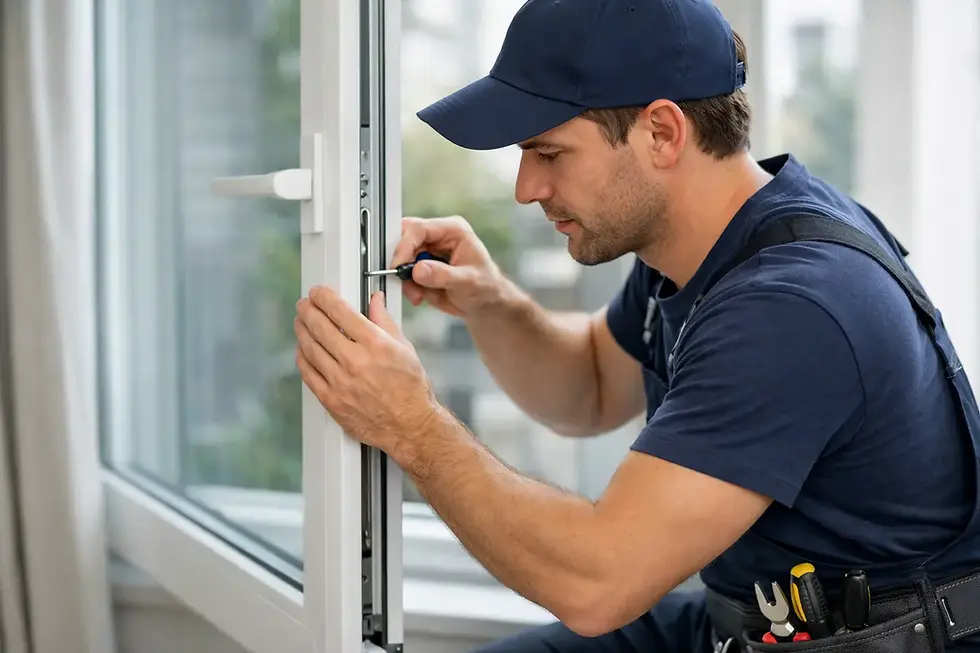
Repairing a window means correcting one or more defective components while keeping the existing frame and window opening in place. This may include replacing a failed insulated glass unit, adjusting the sash, installing new weatherstripping, replacing a crank, hinges, or locking mechanism. The goal is to solve the problem at its source without disturbing parts of the window that are still in good condition.
Replacing a window involves removing the entire existing unit and installing a brand-new window. This solution becomes appropriate when the frame, sash, or installation can no longer provide reliable performance. It is a more extensive project that may also require interior or exterior finishing work, depending on the installation.
The difference isn't simply between a small expense and a large one. It depends on how much useful life the window will have after the work is completed. A properly selected repair extends the life of a structurally sound window, while replacement becomes the better choice when repairs would only solve part of the problem or merely delay an unavoidable replacement.
When Repair Is Usually the Better Option
A fogged insulated glass unit is one of the most common examples. When condensation, fog, or cloudy streaks appear between the panes of glass, the insulated glass seal has failed. This doesn't necessarily mean the entire window needs to be replaced. If the frame remains solid and the window operates properly, replacing only the insulated glass unit is often enough to restore both appearance and energy efficiency.
Window hardware is also highly repairable. A crank window that won't open properly, a lock that no longer latches correctly, a broken handle, or worn hinges are all localized issues. Replacing these components is typically far less expensive than replacing the entire window while restoring safe and reliable operation.
Weatherstripping deserves the same attention. Compressed, hardened, or damaged seals allow cold air, moisture, and even dust to enter your home. Replacing the weatherstripping and properly adjusting the window sash can significantly reduce drafts, provided the frame remains straight and in good condition.
Repair is also an excellent option if you want to preserve the appearance of your home. Older homes often feature windows that complement the architectural style of the property. Restoring the functional components allows you to maintain that appearance while improving performance.
Signs That Replacement Is the Better Choice
There are situations where a window has reached the end of its service life. A wooden frame affected by rot, cracked or warped PVC, or a sash that no longer closes properly despite adjustments indicates that the problem extends beyond hardware or weatherstripping.
Recurring water leaks also require careful evaluation. If water enters around the window opening, the surrounding wall shows signs of moisture, or the window was improperly installed, replacing the insulated glass alone won't solve the underlying problem. The entire installation, including flashing and surrounding building materials, should be inspected. Continuing to make repairs without correcting the source of the leak can lead to more serious damage.
Replacement often becomes the most practical solution when several major components have failed at the same time—for example, failed insulated glass, damaged frames, worn hardware, and significant air leakage. In these situations, the combined cost of multiple repairs may exceed the value of installing a new window.
Finally, if you're already planning a major exterior renovation, replacing your windows may fit naturally into the project. This provides an opportunity to improve insulation, weather resistance, and the overall appearance of your home. However, it isn't a reason to replace windows that are still performing well.
Looking Beyond Cost: Comfort and Sustainability
Cost is an important consideration, but it shouldn't be the only one. A targeted repair requires fewer materials, less labour, and less finishing work than replacing an entire window. When the problem is limited to a failed insulated glass unit or worn weatherstripping, the savings can be substantial.
From a comfort standpoint, the best solution is the one that eliminates the actual source of the problem. Replacing failed insulated glass restores visibility and improves thermal performance. Replacing weatherstripping and adjusting the sash reduces drafts. A new window, however, may provide greater overall benefits when the existing unit is truly worn out or extensively damaged.
Repair is also the more environmentally responsible choice whenever the existing structure can be preserved. Replacing an entire window creates unnecessary waste and requires new raw materials. Extending the life of a sound window frame helps reduce environmental impact. A sustainable approach isn't about repairing at all costs—it's about preserving what still works and replacing only what can no longer be restored.
How to Make the Right Decision
Start by identifying the nature of the problem. Is the condensation between the panes or on the inside surface of the glass? Is the draft coming from the sash, the frame, or damaged weatherstripping? Does the window open and close smoothly? These observations help distinguish between a localized repair and a structural problem.
Next, inspect the frame carefully. Look for cracks, soft wood, warping, water damage, or unusual areas where paint is peeling. A solid, dry frame is often a strong indication that repair is still a worthwhile investment.
An on-site inspection remains the most reliable way to evaluate a window because some issues are hidden behind trim or only become apparent during operation. A reputable professional should clearly explain what can be repaired, what should be replaced, and why. A trustworthy recommendation isn't automatically the most expensive one.
At MMC Portes et Fenêtres, we believe in restoring existing windows whenever it provides the most durable and cost-effective solution. Replacing insulated glass, weatherstripping, hardware, and making proper adjustments can often extend the life of a window by many years. Discover our window repair services.
A Decision That Should Benefit Your Home
A window doesn't have to be brand new to perform well. It simply needs to be weather-tight, secure, easy to operate, and appropriate for the condition of your home. Before investing in expensive replacement windows, have the repairable components inspected. A well-planned repair can improve your comfort today while allowing you to reserve your budget for the projects that truly require replacement.
Need Help?
Not sure whether your window should be repaired or replaced?
At MMC Portes et Fenêtres, we'll carefully inspect your windows, identify the source of the problem, and recommend the most cost-effective solution. Whenever possible, we repair existing windows before recommending a complete replacement.
Contact us today to request your free estimate.


Comments