Best Solutions for Cold Windows

Do you feel a chill when you approach a window, even though your heating system is working normally? To find the best solutions for cold windows, you first need to identify the actual cause of the problem. A cold window does not always need to be replaced. A failed sealed glass unit, worn weatherstripping, poorly adjusted hardware or air infiltration can often be corrected with a targeted repair.
The right approach is to repair what is reducing the window’s performance rather than pay for more extensive work than necessary. The right repair can improve comfort, reduce drafts and extend the life of your windows while helping you avoid unnecessary expenses.
Why Does a Window Feel Cold?
It is important to distinguish between glass that is naturally cooler in winter and a window that is actually letting cold air into your home. When it is very cold outside, the interior surface of the glass can feel cooler than the walls of the room. To a certain extent, this is normal. However, a noticeable draft, persistent condensation, frost or a room that is difficult to heat generally indicates an insulation or air-sealing problem.
The most common problems are fairly easy to recognize. If you feel air around the frame or beneath the sash, the weatherstripping may be flattened, cracked or loose. If there is fog between the two panes, the sealed glass unit may have lost its seal. If the window does not close properly, moves within the frame or requires extra effort to lock, the hardware or alignment may be the cause.
Indoor humidity also plays a role. High humidity levels can cause condensation on perfectly functional windows, particularly during periods of extreme cold. This does not mean the problem should be ignored; both the home’s ventilation and the condition of the window should be considered.
Best Solutions for Cold Windows: Repair According to the Cause
The right solution is not the same for every window. An on-site evaluation can assess the glass, seals, frame, closing mechanisms and possible sources of air infiltration. This approach helps avoid replacing components that are still in good condition.
Replace a Fogged or Failed Sealed Glass Unit
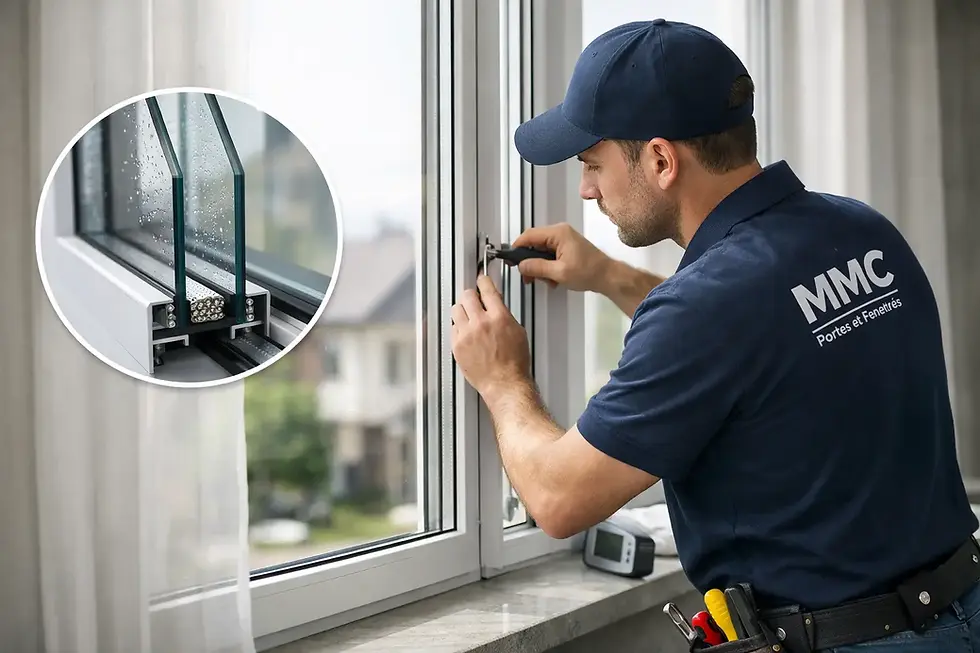
A sealed glass unit consists of two panes of glass that are sealed together. When the perimeter seal fails, moisture can enter between the panes. The clearest sign is fogging, whitish deposits or a haze trapped inside the glass that does not disappear when the window is cleaned.
In this situation, replacing only the sealed glass unit is often the most logical solution. The frame and sash can remain in place if they are still in good condition. This restores a clear view and can improve thermal comfort without replacing components that are still functioning properly.
This option is particularly worthwhile when the frames are solid, the window closes properly and the problem is limited to the glass. If the frame has significant damage or several components have deteriorated, however, the entire window should be evaluated before deciding on the appropriate repair.
Replace Worn Weatherstripping
Weatherstripping may be a small component, but it can have an immediate effect on comfort. It creates a barrier between the sash and frame when the window is closed. Over time, the material can become compressed, dry out, tear or stop making proper contact around the opening.
Worn weatherstripping can allow cold air to enter along with moisture, dust and noise.
Replacing it is a targeted repair that can make a noticeable difference in a bedroom, living room or near a patio door exposed to strong winds.
Avoid choosing a generic product without first checking whether it is compatible with your window. The profile, thickness and position of the weatherstripping all affect both the seal and how easily the window closes. Weatherstripping that is too thick can strain the mechanism, while a product that is too thin will not stop the air infiltration.
Adjust or Repair the Hardware
A window may feel cold simply because it no longer closes with enough pressure against its seals. Worn hinges, cranks, locks or opening mechanisms can prevent the sash from aligning properly with the frame.
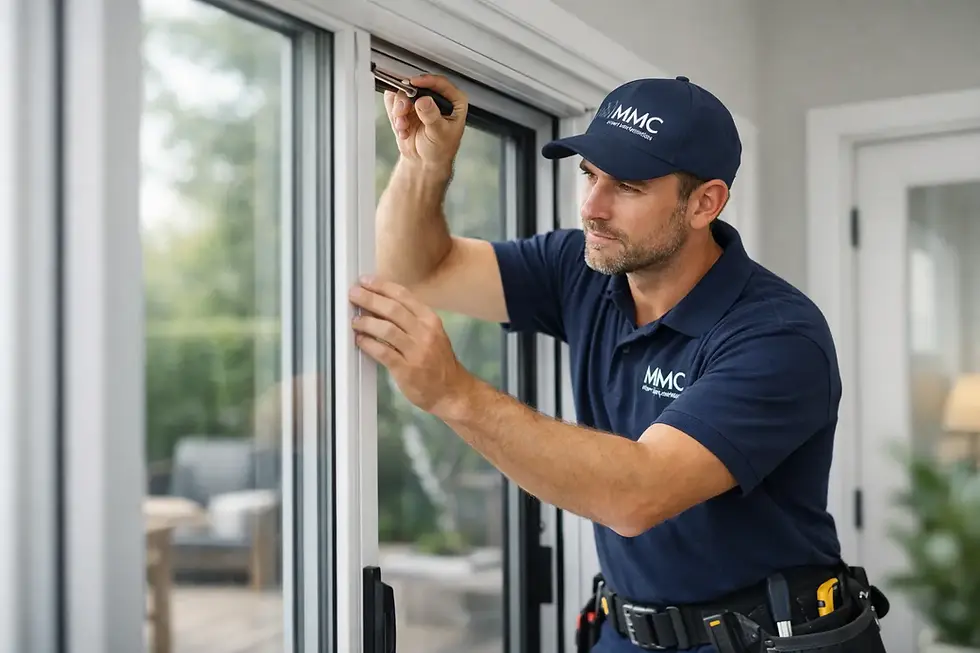
When a window catches, closes unevenly or leaves a small gap along one side, a hardware adjustment may restore a proper seal. Repairing the hardware is also preferable when one specific mechanism has failed but the rest of the window remains functional.
Avoid forcing a crank or lock that is becoming difficult to operate. Doing so can break a component that might otherwise have been repairable. Addressing the problem early is often simpler and less expensive than repairing it after a part has broken.
Correct Seals and Air Leaks Around the Frame
Cold air can enter around the window rather than through the glass itself. Deteriorated exterior joints or poorly sealed areas can create air infiltration that becomes particularly noticeable on windy days. The problem is often localized: you may feel cold air near one corner, along the bottom of the frame or where the window meets the wall.
The repair should target the exact area where the seal has failed. Simply adding caulking without identifying the cause may hide the problem without creating a lasting seal. A professional evaluation should consider the condition of the joints, how the sash closes and whether there are any signs of moisture before determining the appropriate repair.
A Few Useful Checks Before Requesting a Repair
You can perform a few simple checks without taking anything apart. On a cold or windy day, slowly move your hand around the perimeter of the window. Check whether condensation is on the interior surface of the glass, which may be related to indoor humidity, or between the panes, which is more likely to indicate a failed sealed glass unit.
Inspect any visible weatherstripping as well. A seal that is flattened, rigid, torn or coming loose deserves attention. Finally, check whether the lock engages easily and whether the sash sits evenly against the frame. These details can help identify the likely source of the problem.
Avoid temporary solutions that prevent the window from operating properly. Sealing a window shut, using unsuitable tape or applying window film without addressing an air leak may reduce discomfort temporarily, but these measures do not replace a proper repair. Window film can be useful during periods of extreme cold, but it will not repair a fogged sealed glass unit or poorly adjusted mechanism.
Repair or Complete Replacement: How Do You Decide?
Repair is particularly worthwhile when the problem is specific: a fogged sealed glass unit, worn weatherstripping, broken handle, faulty crank, poor adjustment or deteriorated seal. These components have different lifespans than the window frame itself. Addressing them individually is often the most economical and practical approach.
Complete replacement may become necessary when the window is severely damaged, distorted, affected by significant water infiltration or when repairs can no longer provide a lasting result. The important point is not to assume that feeling cold near a window automatically means the entire window needs to be replaced.
At MMC Portes et Fenêtres, our approach is to determine what can be repaired before recommending more extensive work. For homeowners on Montreal’s North Shore, in Laval and surrounding areas, this approach can often resolve seasonal discomfort with a targeted repair rather than unnecessary replacement.
Address the Problem Before the Cold Costs You More
A cold window is more than an uncomfortable spot near your sofa or bed. It may cause you to turn up the heat, contribute to condensation and accelerate wear on certain components. The sooner the problem is addressed, the easier it is to identify an appropriate targeted repair.
Before accepting a cold room or planning major work, have the glass, weatherstripping, seals and hardware checked. Improving your home’s comfort often comes down to repairing these individual components properly rather than automatically replacing a window that still has years of useful life left.
Need Help?
Do you feel a draft near a window, notice condensation between the panes or have difficulty closing a window properly? You may not need to replace the entire window.
At MMC Portes et Fenêtres, we first identify the cause of the problem so we can recommend the appropriate repair: replacing the sealed glass unit, changing the weatherstripping, adjusting the hardware or correcting air infiltration.
Request a free estimate and find out which solution can improve your home’s comfort without unnecessary work.

Comments